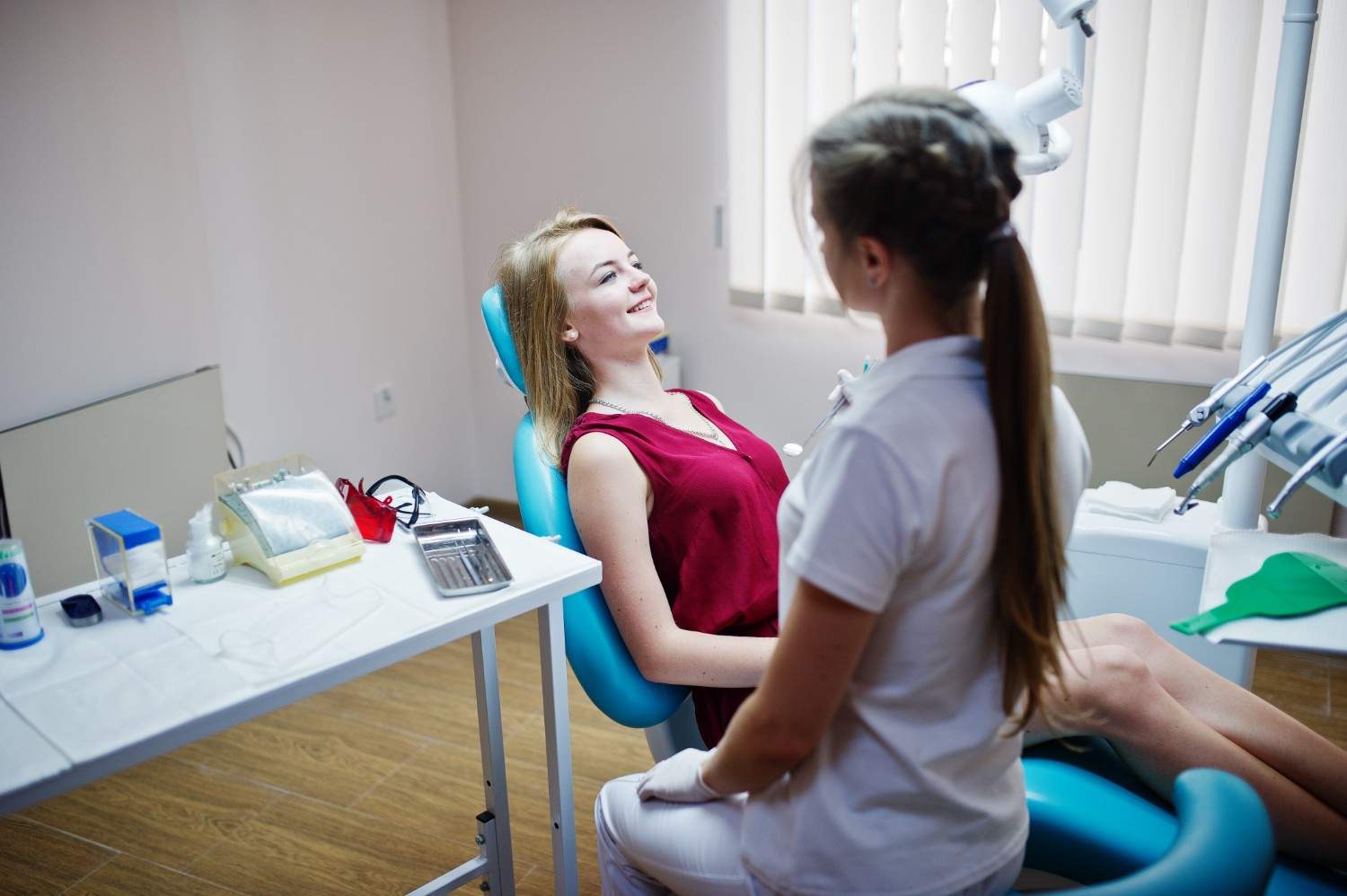

An emergency dentist rocky ridge calgary can assess urgent dental concerns such as severe toothache, swelling, broken teeth, knocked-out teeth, bleeding, dental trauma, or signs of infection. Patients in Rocky Ridge Calgary should seek prompt care if symptoms are severe, spreading, or getting worse. Before the visit, protect the area, avoid chewing on the affected side, keep knocked-out adult teeth moist, and share all symptoms clearly with the dental team.
Staying Calm When a Dental Problem Happens Suddenly
A dental emergency can interrupt an ordinary day without warning. A tooth may crack at dinner, swelling may appear near the jaw, or pain may become strong enough to affect sleep. For patients in Rocky Ridge Calgary, knowing what to do before the appointment can make the situation feel more manageable. Avyan Family Dental helps local patients searching for an emergency dentist rocky ridge calgary understand symptoms and prepare for urgent dental care.
Some dental problems can wait for a planned visit, while others should be checked promptly. Severe pain, swelling, bleeding, trauma, fever, or signs of infection need urgent attention. If swelling affects breathing or swallowing, or if there has been major facial trauma, medical emergency care may be needed first.
What Counts as an Urgent Dental Concern?
A dental emergency usually involves pain, injury, infection signs, or damage that needs prompt evaluation. The goal is to identify the cause, reduce risk, and decide what care is needed.
Urgent concerns may include severe toothache, facial swelling, a knocked-out tooth, broken tooth, uncontrolled bleeding, dental abscess symptoms, lost crown with pain, or injury to the gums, lips, cheeks, or jaw.
Patients searching for a dentist rocky ridge calgary may not be sure whether their concern is urgent. A helpful question is whether symptoms are severe, spreading, linked with trauma, or affecting normal eating, sleeping, or opening the mouth. If yes, it is safer to seek advice quickly.
What to Do for a Severe Toothache
Tooth pain can come from decay, infection, cracks, gum inflammation, grinding, or nerve irritation. If the pain is severe, throbbing, or worsening, it should be checked promptly.
Before the visit, gently rinse with warm water and remove any trapped food with floss if it can be done safely. Avoid placing aspirin directly on the gums or tooth, as this can irritate the tissues. Use medication only as directed on the label or by a healthcare professional.
Try not to chew on the painful side. Notice what triggers the pain, such as cold, heat, sweets, biting pressure, or lying down. Sharing these details can help the dentist narrow down the possible cause.
What to Do for a Broken or Chipped Tooth
A broken tooth may have a sharp edge, sensitivity, or pain when biting. Even if the tooth does not hurt, it should be assessed because cracks can deepen or expose the inner tooth.
If a piece breaks off, save it if possible and bring it to the appointment. Rinse gently with warm water. If the edge is sharp, cover it with orthodontic wax or sugar-free gum for short-term protection, as long as it can be placed safely and does not create a choking risk.
Avoid chewing hard foods on that side. A dentist can determine whether the tooth needs smoothing, bonding, a filling, a crown, root canal treatment, extraction, or another plan depending on the damage.
What to Do for a Knocked-Out Tooth
A knocked-out adult tooth is time-sensitive. Hold the tooth by the crown, which is the part normally visible in the mouth. Avoid touching or scrubbing the root.
If the tooth is dirty, gently rinse it with milk or saline if available. Do not scrape it. If possible, place the tooth back into the socket and hold it in position. If that is not comfortable or safe, keep the tooth moist in milk or saliva and seek urgent dental care.
Baby teeth are different. A knocked-out baby tooth should not be pushed back into the socket unless a dental professional gives specific guidance. Parents should seek dental advice so the area and surrounding teeth can be checked.
What to Do for Swelling or Signs of Infection
Swelling near the gums, cheek, jaw, or face may suggest infection or inflammation. A bad taste, pus, fever, or feeling unwell with dental pain should be treated seriously.
Do not try to drain swelling at home. Rinse gently with warm salt water if comfortable, and avoid pressing on the area. Seek urgent dental care, especially if the swelling is increasing.
If swelling affects breathing, swallowing, vision, or the ability to open the mouth, emergency medical care may be needed. Dental infections can become more serious if they spread, so prompt evaluation matters.
What to Do for Lost Fillings or Loose Crowns
A lost filling can leave the tooth sensitive and exposed. A loose crown can allow bacteria and food to collect underneath. Both should be checked, even if discomfort is mild.
If a crown comes off, keep it in a safe container and bring it to the appointment. Do not use household glue or craft adhesive to place it back. These products can harm the tooth and gums.
Avoid sticky or hard foods until the dentist evaluates the area. Depending on the situation, the crown may be re-cemented, replaced, or the tooth may need another form of repair.
Information to Share With the Dental Team
Clear details can help the dental team understand urgency and plan the visit. Try to explain when symptoms started, what changed, and what makes the problem better or worse.
Helpful details include:
- Pain level and location
- Swelling, fever, or bad taste
- Recent injury or biting incident
- Sensitivity to cold, heat, sweets, or pressure
- Whether a tooth or restoration broke
- Any medications taken
- Medical conditions or allergies
- Whether breathing or swallowing feels affected
For patients searching for an emergency dentist nw calgary, AB good symptom details may help the appointment focus on the most likely cause.
Everyday Benefits of Getting Checked Promptly
A dental emergency visit can help reduce uncertainty. Even when full treatment is not completed right away, the dentist can often explain what is happening and what the next step may involve.
Prompt care may help:
- Identify the cause of pain
- Protect a broken or weakened tooth
- Assess infection signs
- Reduce irritation from sharp edges
- Plan repair for lost crowns or fillings
- Check injury to teeth and soft tissues
- Decide whether follow-up treatment is needed
For local patients looking for a dentist near me, urgent dental care is about more than speed. It is about getting safe guidance before symptoms become harder to manage.
What to Expect at an Emergency Dental Appointment
The visit usually starts with questions about symptoms, timing, injury, pain level, and health history. The dental team may ask whether swelling, fever, bleeding, or trauma is present.
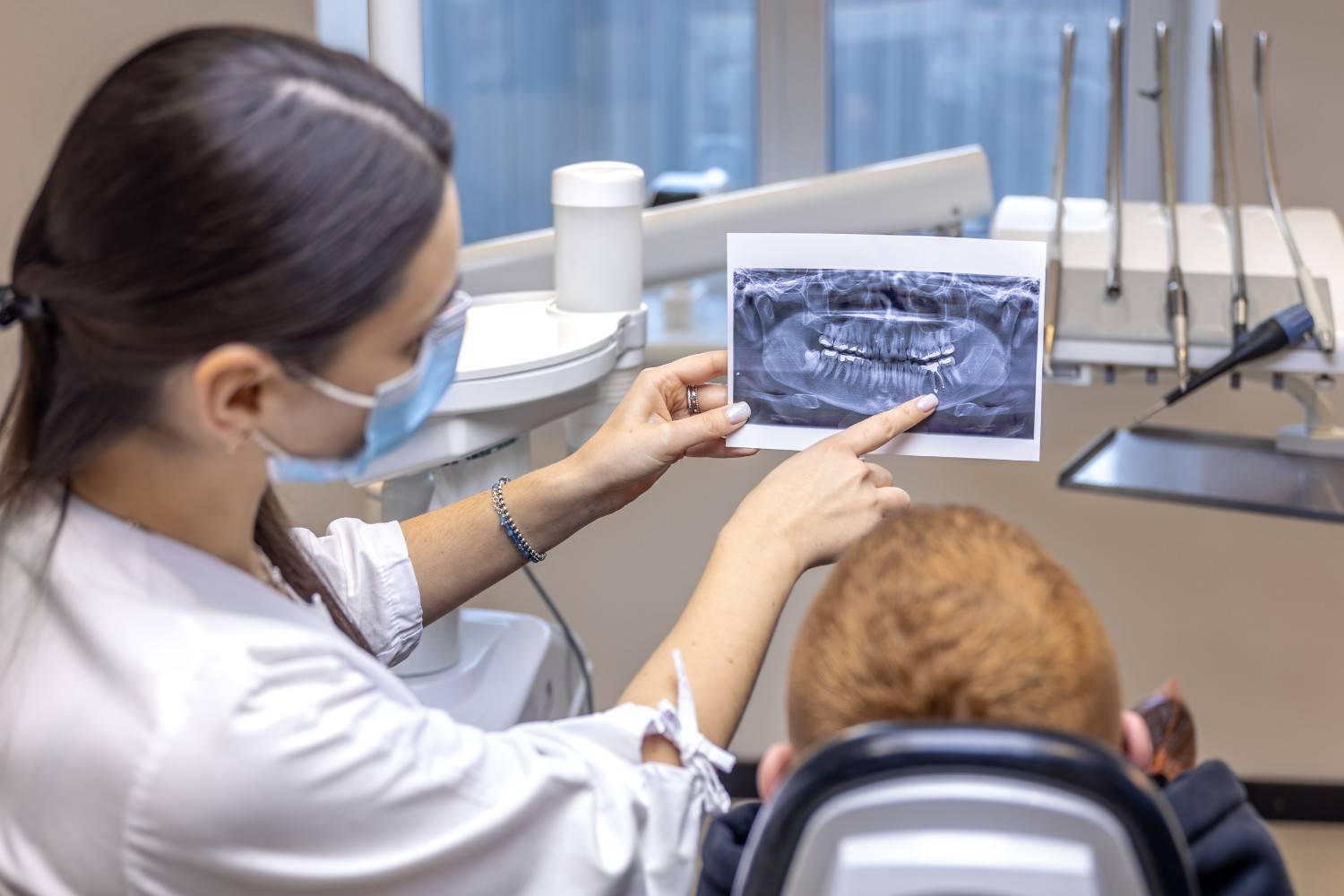
The dentist may examine the painful area, nearby teeth, gums, bite, jaw, and soft tissues. X-rays may be recommended to check for infection, decay, fractures, bone changes, or root concerns. The dentist may also test the tooth’s response to cold, pressure, or tapping.
Treatment depends on the diagnosis. Options may include smoothing a sharp edge, placing a temporary or permanent filling, treating infection, adjusting the bite, repairing a crown, starting root canal care, removing a tooth, or referring for complex treatment.
After the visit, patients may receive instructions about eating, cleaning, medication, and symptoms that need more attention. Follow-up may be needed if the emergency visit focuses on stabilizing the problem first.
Local Patient Review
“I had swelling and was not sure what it meant. The visit helped me understand what was happening and what steps were needed after the exam.”
FAQs About Emergency Dental Care in Rocky Ridge Calgary
When should I see an emergency dentist?
Seek urgent dental care for severe pain, swelling, bleeding, trauma, a knocked-out tooth, fever with dental pain, or symptoms that are getting worse. These signs should be assessed promptly.
What should I do before an emergency dental visit?
Protect the area, avoid chewing on the affected side, rinse gently if needed, and note your symptoms. Bring broken tooth pieces or lost crowns if you have them.
Is facial swelling from a tooth serious?
It can be. Facial swelling may be linked with infection and should be checked urgently. If breathing or swallowing is affected, seek emergency medical care.
Can a broken tooth wait?
A small chip may not be urgent, but a broken tooth with pain, bleeding, sharp edges, or sensitivity should be assessed quickly. Cracks can worsen if ignored.
What if my crown falls off?
Keep the crown safe and avoid chewing on that tooth. Do not use household glue. A dentist can check whether it can be re-cemented or needs replacement.
Clear Steps Can Make an Urgent Visit Easier
Dental emergencies are stressful, but a calm plan helps. Protect the tooth or injured area, avoid chewing where it hurts, watch for swelling or fever, and seek prompt care when symptoms are severe or changing.
For patients near Rocky Ridge Calgary dealing with sudden dental pain, injury, or swelling, Avyan Family Dental can help explain the concern and guide the next step after an evaluation.