
Teeth whitening rocky ridge calgary may help brighten natural teeth with stains from coffee, tea, wine, tobacco, aging, or certain foods. For patients in Rocky Ridge and NW Calgary, a dental whitening consultation can help determine whether stains are likely to respond and whether teeth and gums are healthy enough for whitening. Whitening works on natural enamel, but it does not change the colour of crowns, veneers, fillings, or other dental restorations.
Why Teeth Can Look Duller Over Time
Tooth colour can change slowly, so patients may not notice it right away. One day, a photo, mirror, or special event may make the teeth look darker than expected. Coffee, tea, red wine, dark sauces, tobacco, enamel wear, and aging can all affect brightness. Avyan Family Dental helps patients exploring teeth whitening rocky ridge calgary understand what may be causing stains and whether whitening may be a suitable option.
Whitening can be helpful for many surface and internal stains in natural teeth, but it is not the right answer for every case. Tooth colour may also be affected by old fillings, crowns, thin enamel, trauma, or natural shade differences. A dental evaluation can help avoid uneven results and reduce the risk of whitening teeth that are not ready.
How Teeth Whitening Works
Teeth whitening uses whitening gel to break down stain molecules within the enamel and dentin. As stains become less concentrated, the teeth may appear brighter. The exact response varies from person to person.
Whitening works only on natural tooth structure. It does not lighten crowns, veneers, bonding, bridges, or tooth-coloured fillings. This matters if a patient has dental work on front teeth because whitening may make natural teeth lighter while restorations stay the same shade.
Patients searching for teeth whitening nw calgary, AB may be comparing store-bought products with dentist-guided whitening. The main difference is that a dental visit can assess tooth health, gum condition, sensitivity risk, and whether whitening is likely to help the type of discolouration present.
Common Causes of Tooth Stains
Some stains sit on the surface of enamel. These may come from coffee, tea, wine, berries, sauces, or tobacco. Regular cleanings can remove some external staining, but deeper discolouration may need whitening.
Other colour changes happen inside the tooth. Aging can make enamel thinner, allowing the warmer dentin shade beneath to show more. Certain medications, trauma, or enamel changes can also affect tooth colour.
Plaque and tartar can make teeth look dull or yellow as well. If buildup is present, a cleaning may be recommended before whitening. This helps the dentist assess the true tooth shade and may allow whitening gel to contact the enamel more evenly.
Why a Dental Check Comes First
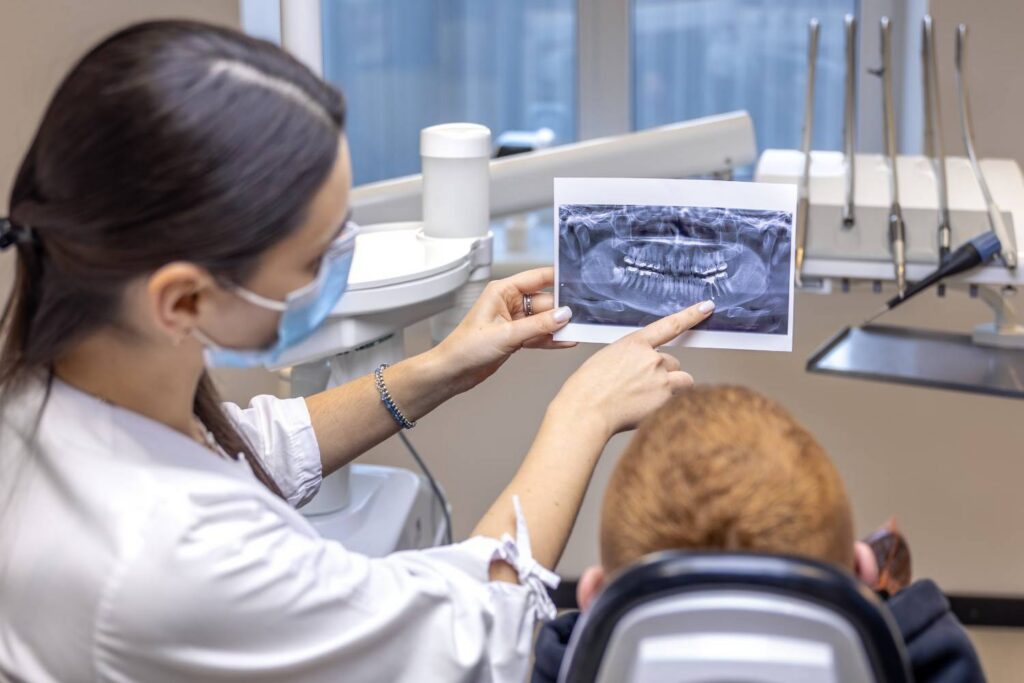
A whitening consultation is not only about shade. The dentist also checks for cavities, gum irritation, exposed roots, worn enamel, cracks, and sensitive areas. Whitening gel can irritate untreated problems, so these concerns should be reviewed first.
Gum health matters too. If gums are inflamed, bleeding, or receding, whitening may need to be delayed or adjusted. Exposed root surfaces do not whiten the same way enamel does and may feel more sensitive.
For someone searching for a dentist rocky ridge calgary, a whitening visit can also help identify whether the colour concern is from stains, dental work, enamel wear, or another issue. That information can prevent disappointment and guide better treatment choices.
Professional Whitening Compared With Store Products
Store whitening products may help with mild surface stains, but they are not tailored to each patient’s mouth. Strips may not fit evenly, and gel can contact the gums. Results may vary, especially if teeth are crowded or restorations are present.
Dentist-guided whitening can be planned around oral health and sensitivity. The dentist may recommend a whitening method based on stain type, tooth condition, and patient goals. Some patients may need a cleaning first, while others may need restorative care before whitening.
The safest choice depends on the condition of the teeth and gums. Whitening should not be used to cover up pain, cavities, or damaged enamel. A healthy foundation usually leads to a more predictable experience.
Sensitivity and What Patients Should Know
Tooth sensitivity is one of the most common whitening concerns. Some patients feel temporary cold sensitivity or a tingling feeling during or after whitening. This may be more likely in people with gum recession, enamel wear, cracks, or existing sensitivity.
A dentist may suggest ways to reduce sensitivity risk, such as using desensitising toothpaste before whitening, adjusting the whitening schedule, or treating sensitive areas first. Not every patient will have the same response.
If sensitivity is sharp, long-lasting, or linked to one specific tooth, it should be checked. Whitening should not cause severe pain. A focused symptom may point to a cavity, crack, exposed root, or nerve irritation.
What Whitening Can and Cannot Change
Whitening may brighten natural teeth, but it does not change tooth shape, alignment, spacing, or worn edges. If the main concern is uneven teeth, chips, or older front fillings, bonding or veneers may be discussed instead.
Whitening also does not replace dental cleaning. If stains are mixed with plaque or tartar, cleaning may need to happen first. After buildup is removed, the teeth may already look fresher before whitening begins.
Patients looking for a dentist near me may want a brighter smile for personal or professional reasons. The key is choosing the treatment that matches the actual concern. Sometimes whitening is enough. Other times, a different cosmetic plan may be more suitable.
Everyday Benefits of a Brighter Smile
Whitening may be a simple cosmetic option for patients whose teeth and gums are healthy enough. The goal is not to create an unnatural shade, but to reduce stains and help natural teeth look cleaner and brighter.
Patients may appreciate whitening because it can:
- Brighten stains from common foods and drinks
- Freshen the look of natural teeth
- Support confidence in photos or social settings
- Help patients compare future cosmetic options
- Encourage better home care habits
- Improve shade before replacing visible restorations, when planned properly
A dentist can explain what shade change may be realistic. Results vary, and some stains respond better than others.
What to Expect at a Whitening Appointment
The first step is usually a dental exam or whitening consultation. The dentist may ask about sensitivity, past whitening, dental work, diet habits, and what shade change the patient hopes to see.
The dentist may check enamel, gums, fillings, crowns, veneers, and areas of recession. A cleaning may be recommended if plaque, tartar, or surface stains are present. If cavities or gum concerns are found, those may need attention before whitening.
The whitening method depends on the patient’s needs and the dental office’s recommendations. Some patients may use custom take-home trays, while others may be guided through an in-office or dentist-supervised whitening process. The dentist should explain how to use the product, how long to apply it, and what to do if sensitivity occurs.
After whitening, patients may be advised to limit strongly coloured foods and drinks for a short period, depending on the whitening method. Long-term brightness depends on diet, oral hygiene, tobacco use, enamel condition, and regular dental care.
Local Patient Review
“I wanted my teeth to look a bit brighter but was worried about sensitivity. The process was explained clearly, and I understood what to expect before starting.”
FAQs About Teeth Whitening in Rocky Ridge Calgary
Is teeth whitening safe?
Whitening may be safe for many patients when teeth and gums are healthy and the product is used as directed. A dental exam helps check for concerns before treatment.
Does whitening work on crowns or veneers?
No. Whitening gel works on natural tooth structure, not crowns, veneers, bonding, bridges, or fillings. Your dentist can help plan shade changes if restorations are visible.
Will teeth whitening cause sensitivity?
Some patients may feel temporary sensitivity during or after whitening. If you already have sensitive teeth, gum recession, or enamel wear, your dentist may adjust the plan.
How long do whitening results last?
Results vary based on diet, oral hygiene, tobacco use, enamel condition, and regular cleanings. Coffee, tea, wine, and dark foods can cause stains to return over time.
Can I whiten my teeth before a crown or veneer?
In many cases, whitening is considered before matching a new crown or veneer shade. Your dentist can explain timing so the final restoration blends with nearby teeth.
A Brighter Smile Starts With the Right Plan
Teeth whitening can be a helpful way to reduce stains and refresh the look of natural teeth, but the best results begin with healthy teeth and realistic expectations. A dental exam can show whether whitening is likely to help or whether another option should be considered.
For patients near Rocky Ridge and NW Calgary exploring whitening, Avyan Family Dental can help make the choice clearer with guidance based on oral health and cosmetic goals.