
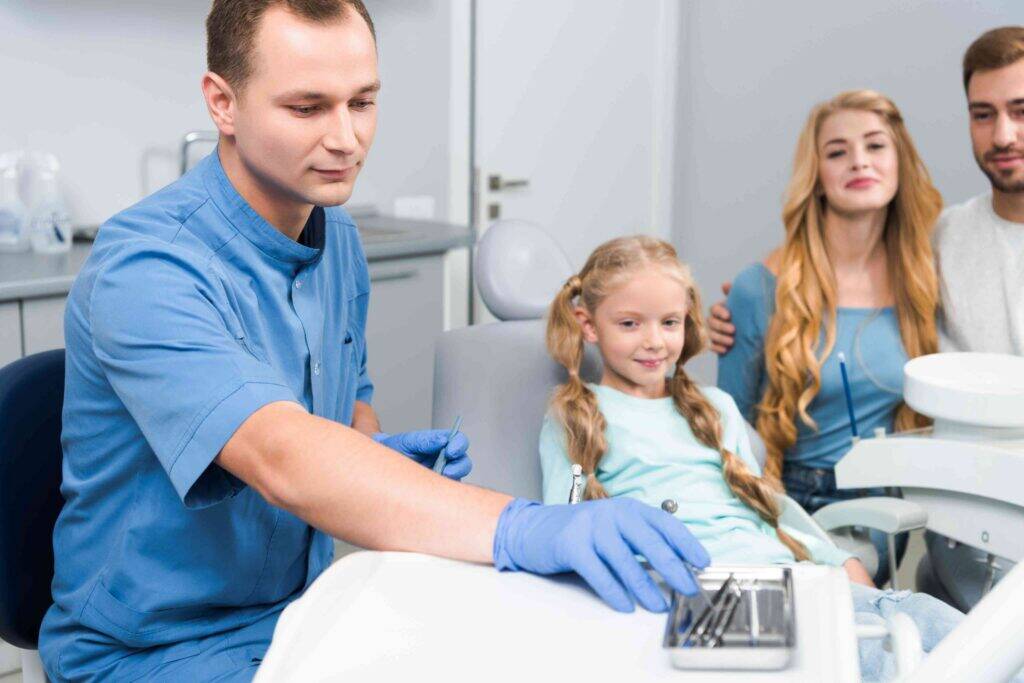
A childrens dentist may help families manage early dental visits, baby teeth, cavity checks, gum health, brushing habits, tooth growth, comfort, and parent guidance. Families in NW Calgary, Royal Oak, and Rocky Ridge should expect age-appropriate care that reviews tooth eruption, diet, thumb sucking, pacifier use, tooth pain, dental injuries, and oral development. Early visits can help parents understand what is normal, what needs attention, and how to support healthy routines at home.
Children’s dental needs can change quickly. A toddler in NW Calgary may be getting new baby teeth. A child in Royal Oak may need help brushing back molars. A family in Rocky Ridge may notice a small dark spot, bleeding gums, or a child who feels nervous before an appointment.
A visit with a childrens dentist should feel clear, calm, and suited to the child’s age. The dentist may check teeth, gums, bite development, brushing habits, diet, comfort level, and any symptoms parents have noticed. The goal is not only to look for cavities. It is also to help children become familiar with dental care and help parents understand practical ways to care for growing smiles between visits.
Early Dental Visits Build Familiarity
Children often do better with dental care when visits feel familiar before a problem appears. Early appointments give the dental team a chance to count teeth, check gums, look at tooth eruption, and answer parent questions.
A childrens dentist may also review brushing routines, snack habits, fluoride use, pacifier habits, thumb sucking, and signs of tooth discomfort. These conversations can be helpful because young children may not explain pain clearly.
For families in NW Calgary, Royal Oak, and Rocky Ridge, early visits can turn dental care into a normal part of growing up instead of something that only happens when a child has pain.
Baby Teeth Need Regular Attention
Baby teeth help children chew, speak, smile, and hold space for permanent teeth. Even though these teeth eventually fall out, decay or infection can cause pain, swelling, trouble eating, and early tooth loss.
A pediatric dentist may explain how baby teeth guide adult teeth into place and why cavities in small teeth should be checked early. The dentist may also help parents understand which teeth are expected to loosen soon, and which ones need to stay for several more years.
Care decisions depend on the child’s age, symptoms, tooth position, and the size of the concern.
Comfort Matters During Children’s Visits
Some children are curious during dental visits. Others feel shy, worried, active, or unsure about new sounds and tools. These reactions are common, especially when a child is still learning what dental care feels like.
A kids dentist may use simple words, short explanations, and a gentle pace to help a child understand each step. Some children need extra time. Others may do better when they are told only what is happening next.
The dental team should support the child while also helping parents understand the findings.
Parents Should Know What to Watch at Home
Parents are often the first to notice changes. A child may avoid chewing on one side, complain about cold foods, have bad breath, resist brushing, or show a spot on a tooth.
A dentist for children may ask when the change started, whether it is getting worse, and whether the child has had a recent injury. These details help guide the exam.
Parents should also mention if a child snores, grinds teeth, uses a pacifier, sucks a thumb, or has trouble cleaning certain areas. Small details can affect oral development and home care advice.
Brushing Support Changes with Age
Young children usually need help brushing because they do not yet have the hand control to clean well. Even when children want to brush alone, they may miss the gumline, back teeth, and chewing surfaces.
Parents can let children practice first, then help finish the job. A small toothbrush, a pea-sized amount of fluoride toothpaste for children old enough to spit, and slow brushing along the gumline can make a difference.
The dentist may show missed areas in a way that helps the child learn without feeling blamed.
Growth Checks Help Spot Developing Concerns
A second role for a pediatric dentist is monitoring how teeth and jaws grow. The dentist may look at spacing, crowding, bite patterns, delayed tooth eruption, early tooth loss, and how adult teeth are coming in.
Not every growth concern needs treatment right away. Some findings simply need to be watched. Others may lead to a discussion about orthodontic evaluation when the timing is right.
Growth monitoring can help parents avoid surprises as the child’s mouth changes.
Dental Injuries Should Be Evaluated
Children can chip, loosen, or knock out teeth during play, sports, falls, or accidents. Even if a tooth looks mostly normal, trauma can affect the nerve, root, gum, or developing adult tooth underneath.
A second visit with a kids dentist may be needed after an injury to watch for colour changes, swelling, pain, looseness, or a bump on the gums. Parents should report any injury even if the child stops complaining.
A knocked-out adult tooth is time-sensitive and should be kept moist while urgent dental care is arranged. A knocked-out baby tooth should not be placed back into the socket.
Habits May Shape Tooth Position
Thumb sucking, pacifier use, tongue posture, mouth breathing, and prolonged bottle use may affect teeth and jaw development. The effect depends on the child’s age, frequency of the habit, and how strong the habit is.
A second conversation with a dentist for children may focus on calm habit guidance. Parents should not shame or pressure a child, since habits often need patience and age-appropriate support.
The dentist can explain whether the habit should be watched or gently reduced.
What to Expect During the Appointment
Before the appointment, parents should share medical history, medications, allergies, brushing routines, diet habits, dental anxiety, thumb sucking, pacifier use, tooth pain, or recent injuries.
During a visit with Avyan Family Dental, the dentist may examine the child’s teeth, gums, bite, oral tissues, growth, and areas of concern. X-rays may be recommended based on age, symptoms, cavity risk, and what needs to be evaluated.
After the visit, parents should understand what looks healthy, what needs care, and what habits may help at home.
Making Visits Easier for Nervous Children
Parents can prepare children with simple and positive language. It may help to say the dental team will count teeth, check the smile, and help keep teeth clean.
Avoid detailed warnings, scary words, or promises about exactly what will happen. A child may feel more secure when the parent stays calm and lets the dental team explain each step.
Comfort items may help some children if allowed. Scheduling at a time when the child is rested can also support a smoother visit.
Benefits of Early Children’s Dental Care
For many families, regular care with a children’s dentist may support cavity prevention, gum health, growth monitoring, comfort with dental visits, and better brushing habits.
Parents also gain practical guidance about snacks, drinks, fluoride, sealants, tooth injuries, and oral habits. This can make daily care feel more manageable.
The value is not only finding problems. It helps children build trust and helps parents understand how to protect growing teeth.
Local Patient Review
“My child was nervous before the visit, and I was unsure what to expect. The team explained things simply, and I left with clear tips for brushing at home.”
Growing Smiles Need Gentle Guidance
In NW Calgary, Royal Oak, and Rocky Ridge, parents can feel more confident when children’s dental visits include calm explanations, age-appropriate exams, and practical home support. Avyan Family Dental helps parents understand their child’s oral health and choose a clear next step.
Frequently Asked Questions
When should children start dental visits?
Children should be seen early so the dentist can check tooth growth, gums, habits, and parent questions.
Do baby teeth really need treatment?
Sometimes. The dentist considers the tooth, symptoms, cavity size, and how long the tooth should stay.
How can I help my child brush better?
Help with back teeth, brush along the gumline, use a small brush, and supervise until skills improve.
Are dental X-rays always needed?
No. They are recommended only when age, symptoms, risk, or exam findings make them useful.
What if my child feels nervous?
Tell the dental team. A calm pace, simple words, and short explanations may help the child feel safer.
Can thumb sucking affect the bite?
It may affect tooth position or jaw development if it continues for a long time.
What should I do after a chipped tooth?
Have it checked, especially if there is pain, swelling, looseness, bleeding, or a colour change.
How often should children be seen?
The dentist may recommend a schedule based on age, cavity risk, gum health, and home care.