
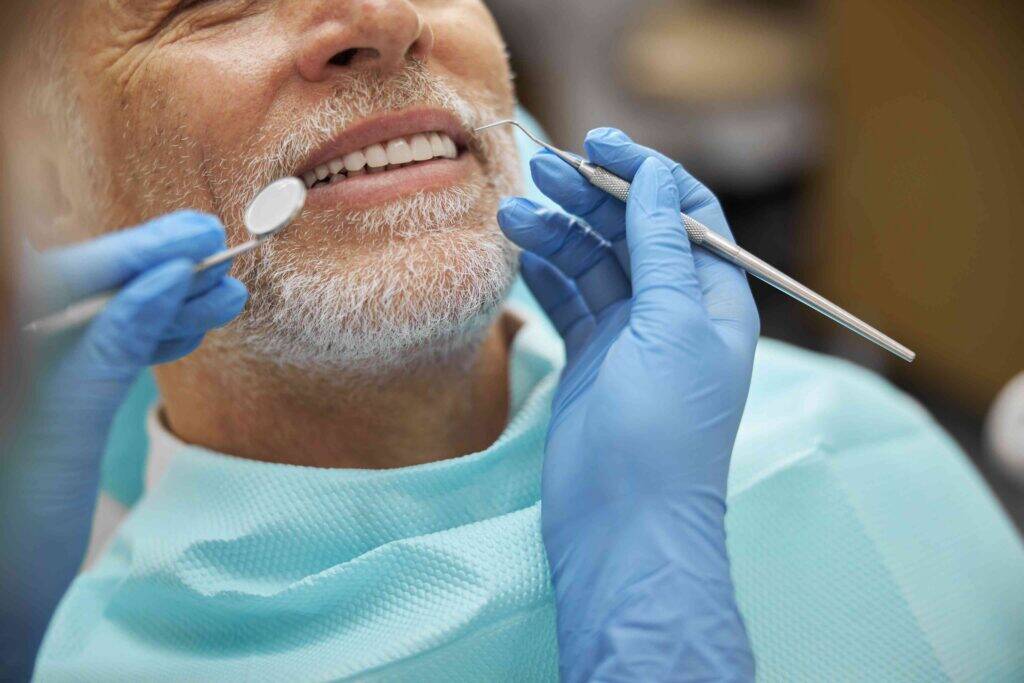
Wisdom teeth removal in Royal Oak Calgary, AB may be discussed when third molars cause pain, swelling, gum irritation, infection risk, crowding pressure, partial eruption, decay, or difficulty cleaning the back of the mouth. Not every wisdom tooth needs removal, so patients should have an exam and X-rays to check tooth position, roots, gums, nearby teeth, and symptoms. Royal Oak Calgary patients should seek prompt dental care for severe pain, swelling, fever, pus, or trouble opening the mouth.
Wisdom teeth can be easy to ignore until they start causing symptoms. A patient may feel pressure near the back of the jaw. The gums behind the last molar may swell. Food may keep getting trapped in a hard-to-clean area. Some people have no pain but learn from X-rays that a wisdom tooth is angled or impacted.
A consultation for Wisdom teeth removal in Royal Oak Calgary, AB can help patients understand whether the teeth should be monitored or removed. The decision depends on tooth position, symptoms, gum tissue, nearby teeth, infection risk, and cleaning access. For patients in Royal Oak Calgary, an early evaluation can make timing and treatment choices easier to understand.
What Wisdom Teeth Are
Wisdom teeth are the third molar at the very back of the mouth. They often come in during the late teen years or early adulthood, though timing can vary.
Some wisdom teeth come in full and are easy to clean. Others remain under the gums, come in at an angle, or partly break through the gum tissue.
A wisdom tooth that cannot erupt properly may be called impact. Impacted or partly erupted teeth may need closer monitoring because they can be harder to clean and more likely to cause symptoms.
Signs a Wisdom Tooth Should Be Checked
Symptoms near the back of the mouth should not be ignored if they persist or worsen. Common concerns may include soreness, swelling, jaw stiffness, bad taste, gum tenderness, or food trapping.
Pain when chewing may happen if the gum tissue around a partially erupted tooth becomes irritated. A wisdom tooth may also place pressure on nearby teeth or create a pocket where bacteria collect.
A dentist at Royal Oak Calgary, AB can evaluate whether the symptom is coming from a wisdom tooth, gum tissue, decay, or another dental concern.
Partial Eruption Can Create Cleaning Problems
A wisdom tooth that partly comes through the gums can leave a flap of tissue over part of the tooth. Food and plaque may be collected under this area.
This can lead to irritation, swelling, bad taste, or infection. Even careful brushing may not fully clean the space if access is limited.
When this happens, the dentist may discuss whether cleaning support, monitoring, or removal is more appropriate. The recommendation depends on how often symptoms occur and how the tooth is positioned.
Impacted Teeth May Need X-Ray Review
An impacted wisdom tooth may be trapped under the gums or bone. It may sit sideways, lean into the second molar, or fail to erupt fully.
X-rays help show the angle of the tooth, root development, nearby teeth, and important structures. This information is needed before the removal is discussed.
At Avyan Family Dental, wisdom tooth evaluations may include symptoms, X-ray findings, gum health, and timing, so patients understand why monitoring or removal may be recommended.
Not Every Wisdom Tooth Needs Removal
Some wisdom teeth are healthy, fully erupted, and easy to clean. If they are not causing problems and are not damaging nearby teeth, the dentist may recommend monitoring.
Removal may be discussed when the tooth is painful, infected, decayed, difficult to clean, damaging nearby teeth, or likely to cause repeated problems.
The key is evaluation. Wisdom teeth removal in Royal Oak Calgary, AB should be based on findings, not age alone.
When Symptoms Become Urgent
Some wisdom tooth symptoms should be checked quickly. Severe pain, swelling, fever, pus, trouble opening the mouth, or swelling that spreads into the jaw or face may point to infection.
If swelling affects breathing or swallowing, emergency medical care is needed immediately.
Patients should not try to manage spreading symptoms only with home care. Dental evaluation is needed to understand the source and the next step.
How Wisdom Teeth Can Affect Nearby Teeth
A wisdom tooth that pushes against the second molar may create pressure, decay risk, or gum problems between the teeth. Food and bacteria can collect where cleaning is difficult.
The dentist may check whether the wisdom tooth is affecting the tooth in front of it. X-rays can help show hidden decay or bone changes.
Protecting nearby teeth is often part of the decision-making process. Sometimes the wisdom tooth itself is not the only concern.
Wisdom Teeth and Crowding Questions
Patients sometimes worry that wisdom teeth are causing front teeth to crowd. Tooth crowding can have many causes, including growth, jaw size, tooth size, and past orthodontic changes.
Wisdom teeth may create pressure in some cases, but they are not the only reason teeth shift. The dentist can explain what is seen during the exam.
A careful evaluation prevents patients from assuming one cause for all alignment changes.
What to Expect at the Consultation
Before the visit, patients should note symptoms when they start, and whether they are getting worse. It helps to mention swelling, bad taste, chewing pain, jaw stiffness, or past infections.
During the appointment, the dentist may examine the back teeth, gums, bite, and jaw opening. X-rays may be recommended to review tooth position and roots.
After the exam, patients should understand whether the wisdom teeth can be watched, need treatment, or should be removed. The dentist may also explain whether a referral is needed.
Preparing for Removal If Recommended
If removal is recommended, the dentist will explain the planned process, instructions, and aftercare. The details may vary depending on the tooth position, complexity, and patient health.
Patients should share medications, allergies, medical conditions, and past reactions to dental or medical procedures. This helps with safety planning.
Questions about time off, eating, driving, and recovery should be asked before the appointment. Clear instructions help patients prepare.
Recovery Expectations Should Be Realistic
After removal, patients may have swelling, tenderness, mild bleeding, and changes in chewing for a short time. The dentist will provide aftercare instructions based on the case.
Patients may be told to avoid smoking, drinking through a straw, vigorous rinsing, and hard or sharp foods during the early healing period. These instructions help protect the healing area.
Strong pain, worsening swelling, fever, bad taste, or bleeding that does not slow should be reported.
When Other Dental Work Is Also Needed
Some patients have more than one dental concern at the same time. A wisdom tooth may be painful, while another tooth has a large filling or crack.
A dental crown Royal Oak Calgary, AB may be discussed for a weakened tooth that needs more support, but wisdom tooth infection or pain may need attention first.
The dentist can help prioritize care. Urgent symptoms, infection risk, and tooth stability may affect the order of treatment.
Benefits of Timely Wisdom Tooth Evaluation
Getting wisdom teeth checked can help patients understand whether the teeth are healthy, risky, or already causing problems.
Patients may benefit from:
- Clearer symptom diagnosis
- X-ray review of tooth position
- Early detection of cleaning problems
- Protection of nearby teeth
- Guidance on timing
- Reduced uncertainty about back-tooth pain
- A plan for monitoring or removal
These benefits depend on the patient’s symptoms, X-ray findings, oral health, and follow-up care.
Local Patient Review
“I had soreness behind my last molar and did not know if it was serious. The dentist checked the area, reviewed the images, and explained why timing mattered.”
Clear Timing Starts with a Proper Check
Wisdom tooth decisions should be based on symptoms, X-rays, gum health, and risk to nearby teeth. Patients in Royal Oak Calgary and Rocky Ridge Calgary can visit Avyan Family Dental to review back-tooth pain, swelling, tooth position, and whether monitoring or removal may be appropriate.
Frequently Asked Questions
What symptoms can third molars cause?
They may cause back-of-mouth soreness, gum swelling, jaw stiffness, bad taste, food trapping, or pain while chewing.
Does every person need them removed?
No. Some come in fully, stay healthy, and are easy to clean. Others may need monitoring or removal based on symptoms and position.
Why are X-rays needed?
X-rays help show tooth angle, root shape, nearby teeth, bone, and important structures that cannot be seen during a visual exam.
Can swelling near the back teeth be serious?
It can be, especially if it spreads or comes with fever, pus, or trouble opening the mouth. Breathing or swallowing trouble needs emergency medical care.
Is removal usually done right away?
Timing depends on symptoms, infection risk, tooth position, and the dentist’s evaluation. Some cases are monitored, while others need treatment sooner.
What should I eat after removal?
Soft food is often easier at first. Follow the aftercare instructions given by the dental team for your specific case.
What should I avoid during early healing?
Patients may be told to avoid smoking, straws, vigorous rinsing, hard foods, and sharp foods while the area begins to heal.
Can other tooth problems be treated at the same time?
It depends on the concern and urgency. The dentist can help decide which issue should be addressed first.